Pests rarely arrive with a formal introduction. One day the kitchen looks fine, then the next you’re staring at ant trails, spider webs, roach signs, or mouse droppings and wondering how fast this can get worse.
The Pestify Pest Guide helps homeowners understand common pests, spot early warning signs, and choose practical next steps before small activity turns into a bigger problem.
Use our pest control guide to explore pest types, compare treatment basics, and learn where Pestify’s pro-grade DIY pest control plans fit into home protection.
Start with the pest you are seeing
Different pests behave in different ways, so the first step is working out what you are dealing with. Ants often follow food and moisture trails. Spiders may appear around quiet corners, in garages, and at exterior entry points. Roaches usually look for warmth, moisture, and shelter. Mice can stay hidden in walls, cabinets, roof spaces, and storage areas.
The pest control guide groups key topics by pest, so you can move from “What is that?” to “What should I do next?” without scrolling through unrelated advice.
Ant pest control guide
Ants are one of the most common household pests because they can find small food sources quickly. Kitchens, pantries, trash cans, pet bowls, and outdoor entertaining areas can all attract ant activity.
The
ant pest guide explains how ants behave, why trails form, and what homeowners can do to reduce activity around the home. It can also help you understand when surface cleaning is not enough and when bait may be a better option.
Key ant control topics include:
- Why ants enter kitchens
- How to reduce food and moisture sources
- How ant trails work
- When ant bait can support treatment
- How to reduce repeat activity
Spider pest control guide
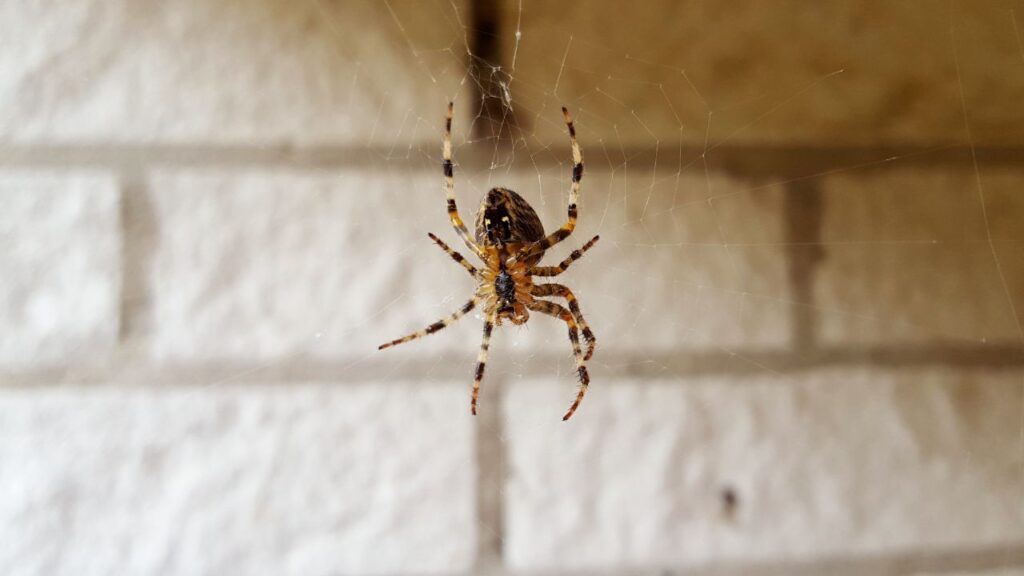
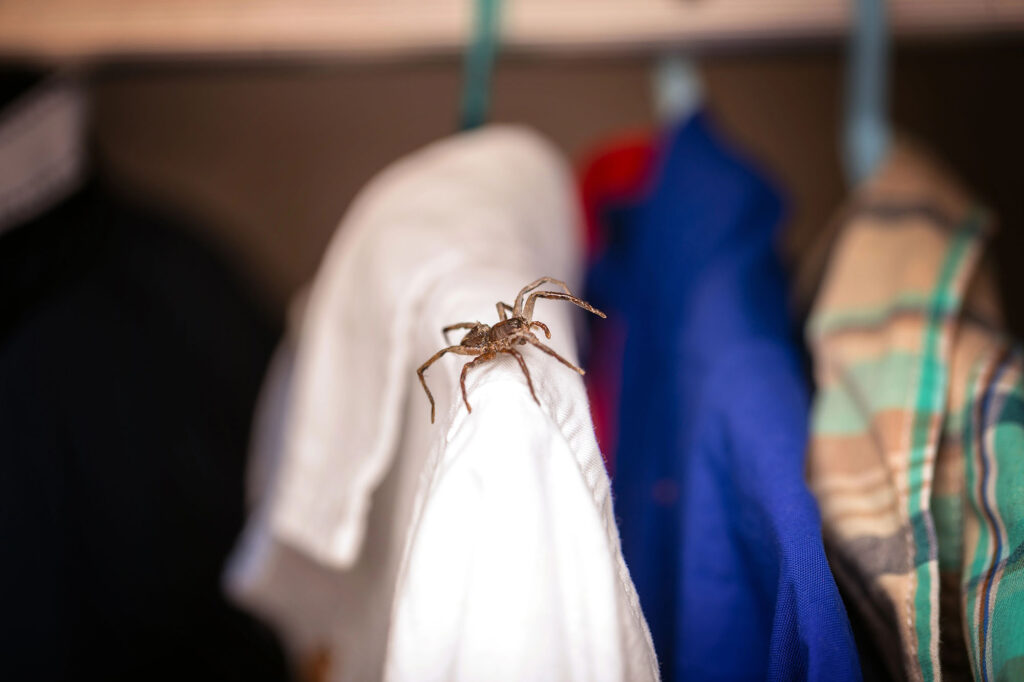
Spiders often appear in areas with insects, shelter, and low disturbance. You may notice webs near windows, outdoor lights, garages, patios, sheds, and quiet interior corners.
Our
spider pest guide covers common spider activity, likely hiding spots, and prevention basics. It also helps homeowners understand why reducing other insect activity can support spider control.
You can learn about:
- Where spiders commonly hide
- Why webs keep appearing
- How outdoor lighting can attract insect activity
- How clutter and storage areas can create shelter
- When exterior treatment may help reduce activity
Roach pest control guide
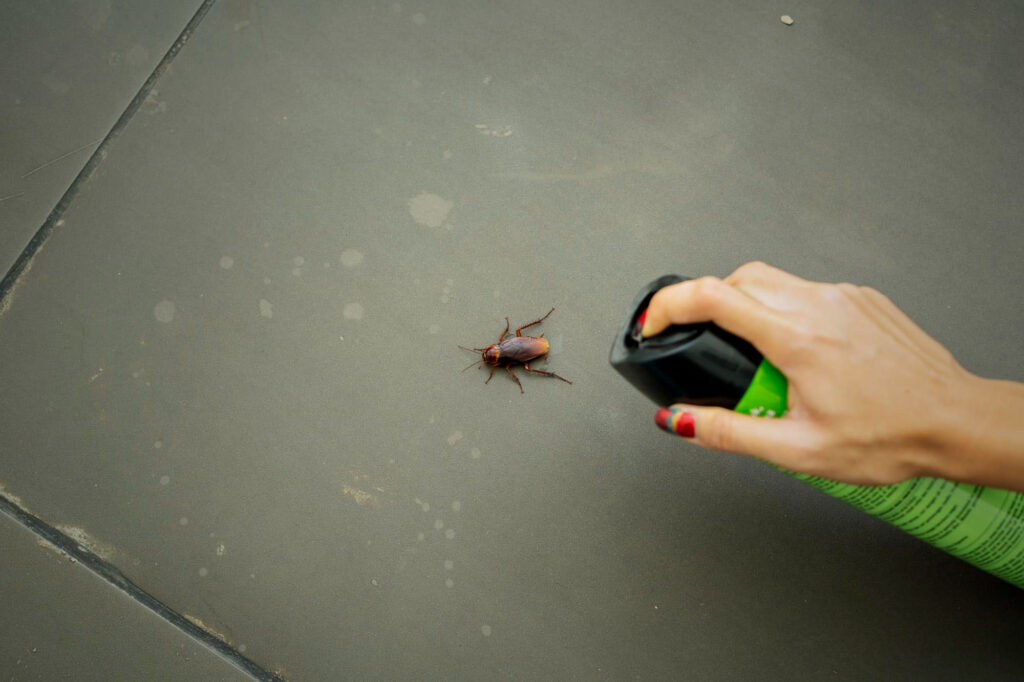
Roaches are drawn to warmth, moisture, food, and shelter. They can hide in tight spaces behind appliances, cabinets, drains, wall gaps, and outdoor harborage areas. Because they often stay out of sight, a single sighting can point to more activity nearby.
The
roach pest guide explains where roaches live, why they choose certain areas, and what signs homeowners should look for. It also gives context for treatment, cleaning, and prevention.
Useful roach topics include:
- Where roaches live indoors
- Where roaches live outdoors
- Why moisture matters
- What droppings and egg cases may look like
- Why roach activity can return without prevention steps
Mice pest control guide
Mice can enter through small gaps and stay hidden while they search for food, warmth, and nesting material. Scratching sounds, droppings, gnaw marks, and chewed packaging can all suggest mouse activity.
The
mice pest guide explains how to identify signs of mice, where they enter, where they hide, and how mouse bait stations may fit into a treatment plan.
You’ll find useful info on:
- Early signs of mice in the home
- Common entry points
- Indoor and outdoor mouse activity
- Simple prevention steps
- How mouse bait stations can support treatment
Featured pest control articles
The pest control guide also includes educational articles for specific household questions. These pages help homeowners go deeper into common problems and connect each issue back to the right pest category.
Featured articles may cover topics such as:
These articles are useful when you already know the problem area but need more detail. For example, kitchen ants need a different approach from outdoor spider activity. Roach hiding spots are different from mouse entry points. A comparison article can also help you decide if a DIY subscription, a professional service, or another option makes more sense for your situation.
Quick pest prevention tips for homeowners
Prevention is not glamorous, but neither is finding roach signs behind the fridge. Small habits can make your home less attractive to pests and help treatment work more effectively.
Try to:
- Store dry goods in sealed containers
- Clean crumbs, grease, and spills regularly
- Keep bins closed and away from entry points where possible
- Remove standing water and fix small leaks
- Trim vegetation touching the home
- Reduce clutter in garages, sheds, and storage areas
- Seal small gaps around doors, vents, pipes, and cables
- Check pet food areas, especially overnight
- Keep outdoor areas clear of food scraps after meals
Prevention doesn’t replace treatment when activity is already established, but it can reduce the reasons pests keep returning. Think of it as removing the welcome mat then changing the locks.
Learn how Pestify works
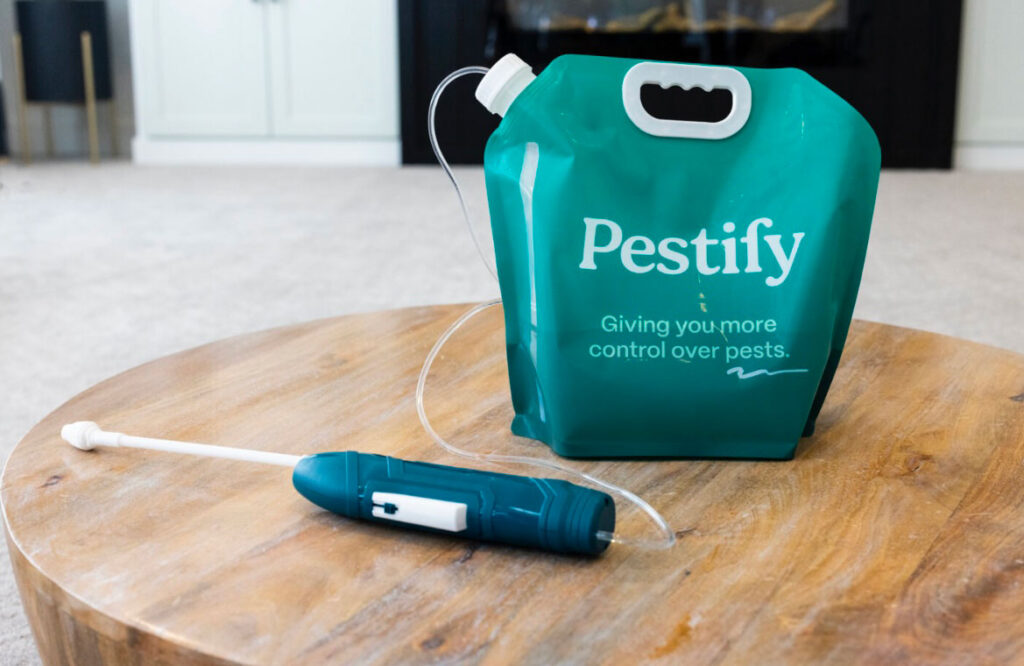
Pestify gives homeowners a way to manage common pests with pro-grade DIY products, clear instructions, and treatment options based on the pests around the home. You choose a plan, prepare the area, and apply the products using the guidance provided.
If you want to understand the process before choosing a plan, see
how Pestify works. It explains the simple order, prep, and treat approach so you know what to expect before your kit arrives.
Turn your pest control guide research into a Pestify plan
The pest control guide helps you learn what you are dealing with, but the next step is choosing products that match your home and pest concerns. Pestify makes that step easier with pest control plans delivered to your door.
Use the guides above to identify the pest, review the signs, and understand treatment basics. Then
build your custom plan with Pestify and start treating your home with a clear plan, not a panic cart full of random sprays.





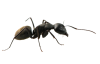 Ants9 types
 Spiders12 types
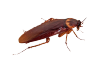 Roaches5 types
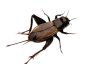 Crickets4 types
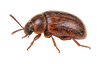 Beetles6 types
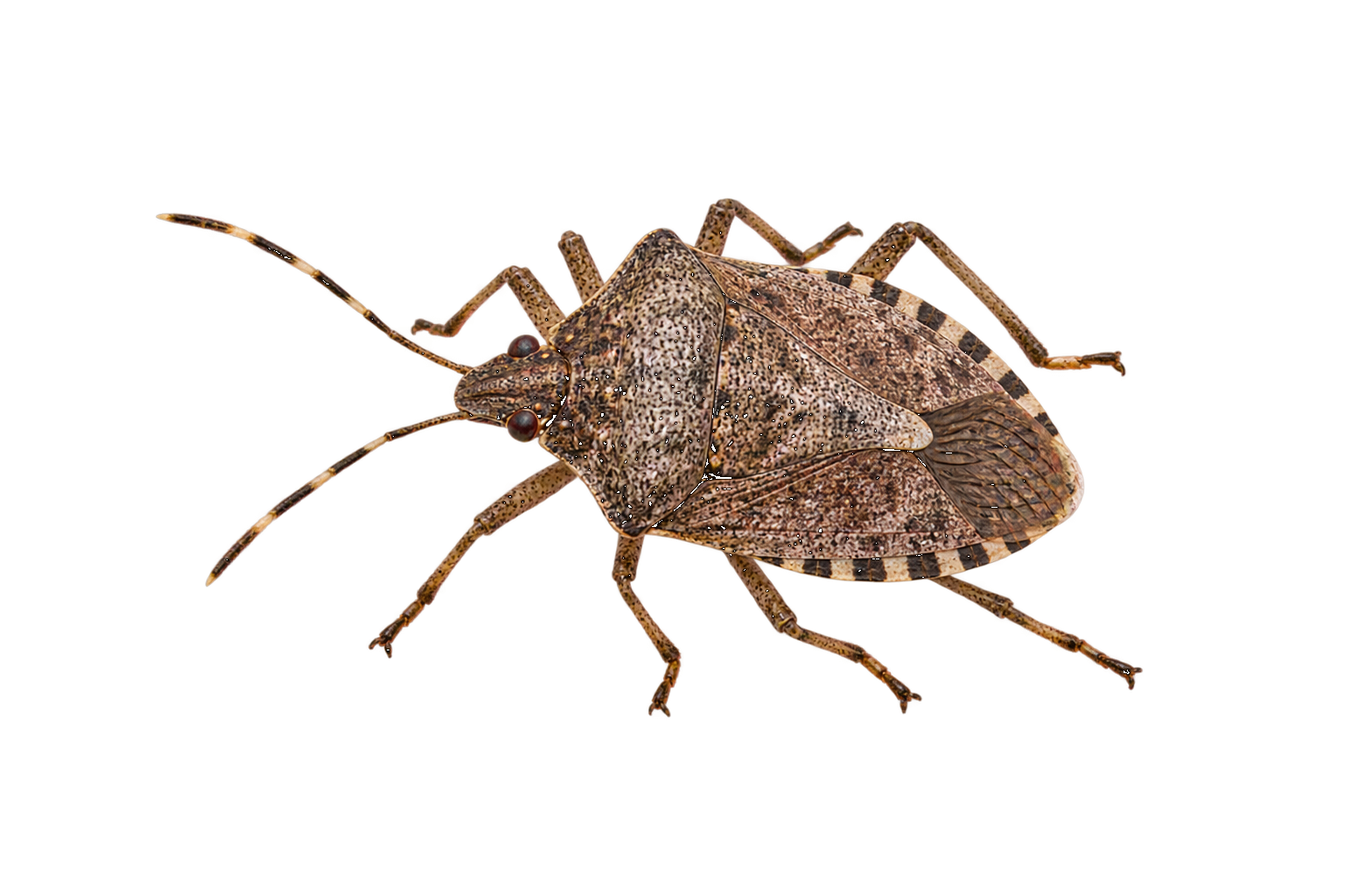 Overwintering Pests5 types
 Millipedes2 types
 Silverfish & Firebrats2 types
 Centipedes
 Earwigs
 Scorpions
 Sowbugs & Pillbugs
 Clover Mites
 Springtails
 MiceBait station add-on