Mice can slip into a home through small gaps, stay hidden for days, and leave signs that are easy to brush off until the problem grows. Scratching in the walls, small droppings, chewed packaging, or a strange smell in cupboards can all point to mouse activity.
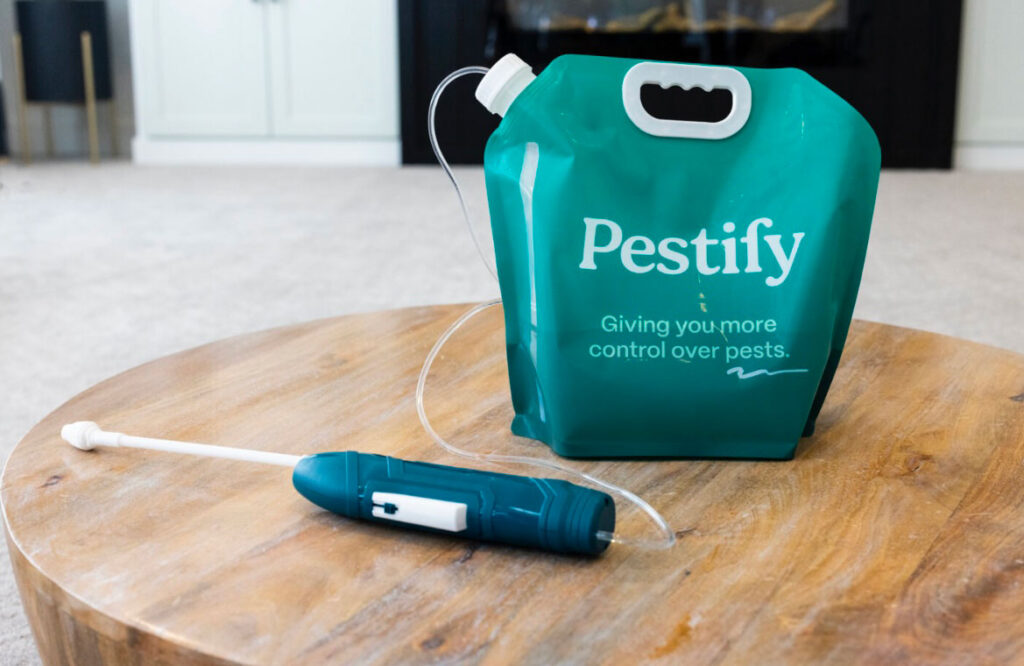
Pestify helps homeowners take a practical DIY approach to mice pest control with pro-grade products, clear instructions, and optional mouse bait stations as part of the treatment plan.
Early signs of mice in your home
Mice are often active when the house is quiet, so the first signs may show up before you see one running across the floor. Many homeowners notice scratching, rustling, or tiny movement sounds in walls, ceilings, cupboards, or behind appliances.
Common signs of mice include:
- Small dark droppings near food storage areas, skirting boards, cabinets, or under the sink
- Chewed food packaging, cardboard, insulation, or soft materials
- Greasy marks along walls or regular travel paths
- A stale or musky smell in enclosed spaces
- Nesting material such as shredded paper, fabric, or insulation
- Pet behavior that changes around cabinets, appliances, or wall gaps
If you’re unsure which pest you’re dealing with, our
mouse vs. rat guide can help you compare common differences before choosing the right treatment path.
Where mice get in and where they hide
Mice do not need much space to enter a home. Gaps under doors, cracks near pipes, vents, garage edges, and openings around utility lines can all give mice a way inside. Once indoors, they usually look for quiet areas close to food, warmth, and shelter.
Common mouse entry points include:
- Gaps around exterior doors
- Garage door edges
- Openings around pipes and cables
- Cracks in foundations or siding
- Vents without secure screening
- Gaps near rooflines, crawl spaces, or basements
Inside the home, mice tend to hide where they are less likely to be disturbed. This may include behind ovens, fridges, dishwashers, storage boxes, wall cavities, cupboards, attic insulation, and cluttered garage areas.
They often travel along walls rather than across open rooms. This is why droppings, smudge marks, and chewing damage often appear near skirting boards, cabinet edges, and hidden corners.
Why a mouse problem can grow quickly
A mouse problem can grow quickly because mice are small, cautious, and good at finding hidden shelter. By the time someone sees a mouse in the open, there may already be activity in wall spaces, storage areas, or outdoor nesting spots near the home.
Mice can create problems beyond the initial shock of seeing one indoors. They may chew through packaging, contaminate food areas, damage soft materials, and create a mess in cupboards or storage spaces. Their constant gnawing can also affect wires, insulation, and household materials.
The other issue is access. If mice have found a reliable way into the home, cleaning up the visible signs may not be enough. Food crumbs, pet food, rubbish, open gaps, and clutter can keep drawing them back.
This is why pest control for mice works best when it looks at both activity and conditions. Treatment can help manage current mouse pressure, while prevention steps help make the home less inviting.
Indoor vs. outdoor mouse activity
Indoor and outdoor mouse activity is connected. Mice may nest outside but move indoors for food. They may also enter during colder weather, after landscaping changes, or when nearby food sources become limited.
Indoors, mice often focus on kitchens, pantries, laundries, garages, basements, and roof spaces. These areas offer shelter, warmth, and access to food or nesting material. You may notice droppings near cabinets, chewing around food packaging, or sounds in the walls at night.
Outdoors, mice may live near sheds, fences, wood piles, garden beds, compost areas, rubbish bins, and dense vegetation. If these areas sit close to the house, mice may have more chances to explore entry points.
A helpful treatment plan looks at both zones. The home interior may need cleaning, monitoring, and careful placement of treatment products. The exterior may need gap checks, rubbish control, and removal of easy shelter.
Simple ways to help prevent mice
Mouse prevention starts with food, access, and shelter. You don’t need to turn your home into a fortress, although the mice may think you have. The goal is to make it harder for them to get in, find food, and settle.
Here are some practical prevention steps:
- Store pantry food in sealed containers
- Clean crumbs, spills, and pet food areas regularly
- Keep rubbish bins closed and away from entry points where possible
- Reduce clutter in garages, sheds, and storage areas
- Trim vegetation touching the home
- Move wood piles, boxes, and stored materials away from exterior walls
- Seal small gaps around pipes, doors, vents, and utility openings
- Check garage edges and door sweeps for gaps
For more tips on proper mice pest control, the Pestify
pest guide covers common pests, prevention advice, and treatment basics.
How mouse bait stations support treatment
Mouse bait stations support pest control by keeping bait in a more controlled, organized, and targeted location. Instead of placing treatment randomly around the home, bait stations help position bait in areas where mouse activity is more likely, such as along walls, behind appliances, and near quiet travel paths.
Pestify offers mouse bait stations as an add-on solution for homeowners who want a more structured approach to mice treatment. This can be useful because mice often follow repeat routes and may be cautious around new objects. Placing bait in suitable areas can make the treatment easier to manage as part of a wider plan.
Bait stations work best when used alongside prevention steps. Before placing them, it helps to clean up food sources, reduce clutter, and check likely entry points or travel areas. This can reduce the conditions attracting mice and improve the overall treatment approach.
Placement and safety are also important. Mouse bait stations should always be used according to the product instructions and kept away from unsuitable areas, especially in homes with children or pets. Pestify’s system pairs products with clear guidance, helping homeowners use mouse bait stations as part of a planned treatment rather than a panic purchase.
Get effective pest control for mice with Pestify
Pestify helps homeowners manage mice with pro-grade DIY pest control products and step-by-step instructions. You choose the plan, prep your home, and treat with guidance that explains what to use and where it fits.
A
mouse protection plan can include products suited to your home and pest needs, with the option to add mouse bait stations as part of the solution. If you want to understand the process before you start, see
how Pestify works for the simple choose, prep, and treat approach.
Call us today to get started and take a clearer path from signs of activity to practical treatment.




 Ants9 types
 Spiders12 types
 Roaches5 types
 Crickets4 types
 Beetles6 types
 Overwintering Pests5 types
 Millipedes2 types
 Silverfish & Firebrats2 types
 Centipedes
 Earwigs
 Scorpions
 Sowbugs & Pillbugs
 Clover Mites
 Springtails
 MiceBait station add-on