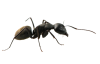

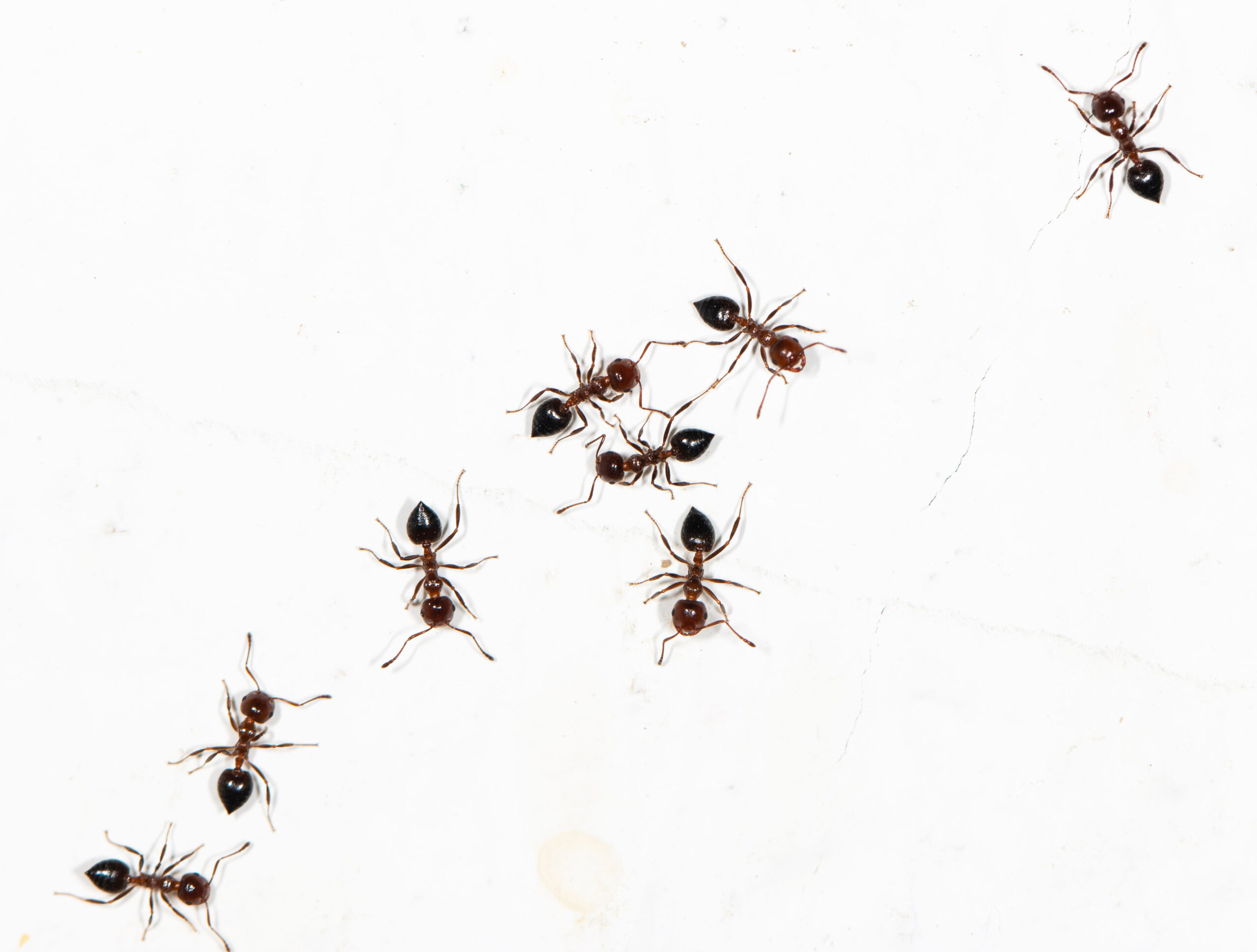
Ants in the kitchen are easy to underestimate until the trail keeps coming back. You wipe the counter, clear the crumbs, and think the problem is handled, then more ants appear near the sink, pantry, or trash can.
So if you’re searching for how to get rid of ants in the kitchen, the real fix starts with finding what’s attracting them and how they’re getting inside. This guide explains why ants come into kitchens, how to deal with active trails, and when ant bait may be the better option.
Why ants show up in kitchens
Ants show up in kitchens because we give them what they need: food, water, and shelter. Even small crumbs, sticky spills, fruit residue, grease marks, or pet food can attract ants. Once one ant finds a food source, others can follow the trail.
With nearly 1,000 ant species found in North America, even common kitchen ants can vary in habits, nesting patterns, and treatment needs.
Ants also look for moisture. A small leak under the sink, a damp sponge, a wet dish towel, condensation near a window, or water left in pet bowls can make the kitchen more appealing. During dry weather, ants may come indoors looking for water. During rainy periods, they may move inside to escape saturated soil.
Ants don’t need a messy kitchen to become a problem. Sometimes, a tiny gap, a few crumbs, and one successful trail are enough.
Where are the kitchen ants coming from?
Kitchen ants can come from outside, inside wall gaps, or nearby nesting areas. The trail you see on the counter is usually only part of the story. Ants may be entering through a window frame, door gap, pipe opening, baseboard crack, or small space around cabinets.
Common entry points include:
- Gaps around windows and doors
- Cracks near baseboards
- Openings around pipes
- Spaces behind cabinets
- Gaps near exterior walls
- Utility line openings
- Small cracks in the flooring or tile grout
How to stop the ants’ food source
The first step in long-term ant control is removing what is feeding the trail. Treatment can help, but ants may keep returning if food and moisture remain available.
Helpful first steps include:
- Wipe counters with soap and water
- Clean under toasters, coffee machines, and other small appliances
- Store sugar, cereal, flour, and snacks in sealed containers
- Rinse sticky bottles and jars before storing them
- Take out food waste regularly
- Keep trash cans closed
- Wash pet bowls after feeding
- Fix small leaks under sinks or near appliances
- Dry damp sponges, cloths, and sink areas
- Sweep or vacuum kitchen floors regularly
How to treat active ant trails
If you’re trying to get rid of ants in the kitchen quickly, the right treatment depends on what the ants are doing and where the trail leads. Some situations may call for bait, while others may need barrier products or other ant control methods.
It can be tempting to spray every ant you see, especially when they are crossing a counter or heading for the pantry. That may reduce visible activity for the moment, but it may not reach the nest or colony behind the problem.
When ants keep following the same trail or return after cleaning, bait can be a better option because ants carry it back to the colony.
Why kitchen ants often come back
Kitchen ants often come back because the main issue has not been fully addressed. The visible ants may be gone, but the colony, entry points, or attractants may still be there.
Common reasons ants return include:
- Food residue is still available
- Pet food is left out overnight
- Trash cans are not sealed
- Moisture issues remain under the sink
- Entry points have not been sealed
- The colony is still active nearby
- Trails were wiped but not properly treated
- Outdoor conditions are pushing ants inside
Ants also leave scent trails that help other members of the colony follow the same route into your home. This is why it’s important to treat active trails and seal the gaps they are using, rather than focusing on visible ants alone.
Ants can also return because the treatment did not match the problem. For example, killing visible ants may not affect the colony. Sealing one gap may not help if ants have several entry points. Cleaning the counter may not be enough if crumbs are sitting behind an appliance.
When bait is the better option
Ant bait can be the better option when ants are following a steady trail, returning after cleaning, or showing signs of a colony-driven problem. Instead of only killing visible ants, bait works by attracting foraging ants so they carry the product back to the colony.
Don’t place bait directly beside strong repellents unless the product instructions support it. Some treatments can interfere with bait activity. The goal is to let ants find the bait, take it, and carry it back.
Be patient. Baiting may not work instantly because it relies on ant behavior. You may see ants gathering around bait before activity starts to drop. Tiny freeloaders, big strategy.
Pestify’s ant add-on includes targeted bait stations designed for interior ant activity, giving you the right product for the job without having to guess at the hardware store. The stations are easy to place along active trails and in areas where ants are regularly appearing.
How to get rid of ants in your house
If ants are showing up in the kitchen, they may also be active elsewhere in the house.
Check bathrooms, laundry rooms, windows, exterior doors, pet feeding spots, and damp spaces. Ants can move between rooms through wall gaps, flooring edges, and utility openings.
To help reduce ants across the home:
- Check for trails in other rooms
- Seal obvious cracks and gaps
- Keep food stored in closed containers
- Clean sticky residue from floors and surfaces
- Reduce moisture near sinks, tubs, and appliances
- Trim vegetation touching the home
- Keep outdoor trash areas clean
- Move food waste away from exterior entry points
Learning how to get rid of ants in your house starts with finding the pattern. Are ants coming in after the rain? Are they near pet food? Are they following a window frame? Are they active at night? The more you know about where they are moving, the easier it is to choose the next step.
How long does it take to see results?
Some homeowners may notice less activity within a few days, while larger or well-established infestations can take longer to settle. Results often vary depending on the size of the colony, where it’s nesting and the treatment used. Follow the product directions of your treatments closely and give it some time to work before changing your approach.
Start ant treatment with Pestify
Ants in the kitchen can be frustrating, but the fix is easier when you understand what is attracting them, where they’re entering, and which treatment approach fits the activity. Cleaning and prevention help reduce the conditions ants want, while the right products can help treat the problem more directly.
Pestify helps homeowners handle common ant issues with professional-grade DIY pest control products, clear instructions, and plan options based on the pests around the home.
Contact us today to understand how Pestify works or build a custom pest control plan. For more practical tips, seasonal advice, and home protection guidance, check Pestify’s pest guides to help you understand what to do next.
We're Not A One Trick Pony
Take the guesswork out of pest control, get started with Pestify today.