
If you’re comparing DIY vs. professional pest control services, the right choice depends on the pest problem, your schedule, your budget, and how hands-on you want to be. Some households need an in-person technician. Others want professional-grade products, clear instructions, and the ability to treat their home without booking a service window.
Pest problems are common enough that many homeowners try to handle them on their own first. In fact, a survey by YouGov found that 66% of Americans manually killed pests to deal with pest-related issues in the past year. That shows how often people take action themselves, but it also raises a bigger question: when is DIY enough, and when does a professional service make more sense?
This guide compares both options fairly then explains where Pestify fits for homeowners who want convenience, control, and value.
What DIY pest control subscription means
A DIY pest control subscription gives homeowners pest control products and instructions so they can treat common pest issues on a planned schedule. Instead of calling a company each time pests appear, products arrive at your door with guidance on how to use them.
With a pest control subscription, homeowners can build a plan around pests such as ants, roaches, spiders, or mice. It can suit people who are comfortable following instructions, checking pest activity, and taking a more active role in prevention.
A DIY plan doesn’t mean guessing. The value comes from having the right products, timing, and instructions before treatment begins.
What professional pest control service includes
A professional pest control service usually includes an in-person inspection, treatment by a technician, and advice based on what they find during the visit. This can help with serious infestations, hard-to-identify pests, or homes with issues that need expert review.
Professional services may include interior treatment, exterior treatment, monitoring, follow-up visits, and recommendations for entry-point repairs or sanitation changes.
The trade-off is usually cost, scheduling, and access. Homeowners may need to book a service window, prepare the home, allow someone inside, and pay for each visit or service package. For routine seasonal pests, a DIY subscription may be the more practical option.
Cost comparison
DIY pest control subscriptions often cost less than recurring professional visits because the homeowner applies the treatment. You’re paying for the products, guidance, and delivery rather than technician time at your home.
Professional pest control services generally cost more because they include labor, travel, inspection time, and application by a trained technician. The higher cost can make sense for severe issues, hard-to-reach areas, or pest problems that need direct diagnosis.
For routine home protection, a DIY subscription can offer strong value, with some companies offering $39 per treatment. You get products suited to common household pests without paying for repeated service calls. This can be especially appealing if you are dealing with seasonal pest activity or want a plan you can keep up with over time.
The better choice depends on the problem. Mild ant activity around the kitchen may not need the same service level as a serious roach issue behind appliances. A few spider webs near exterior lights may call for a different approach from mice entering through gaps around the garage.
Convenience comparison
A DIY subscription is made for convenience. Products arrive at your home, instructions explain the process, and you can treat when it suits your day. There is no need to wait for a technician, reschedule around work, or prepare for a service visit.
Professional pest control services can also be convenient because the technician handles the application. For homeowners who don’t want to treat the home themselves, this can be a major benefit. The main challenge is timing. You may need to be home during the appointment or allow access to certain areas.
Flexibility comparison
DIY pest control subscriptions give homeowners more flexibility because treatment can happen on their schedule. You can inspect areas, clean problem spots, apply products, and monitor activity without waiting for an appointment.
Professional service is less flexible in timing, but it can offer flexibility in assessment. A technician can adjust the approach during the visit based on what they see. This is useful for complex pest issues, unusual activity, or homes with multiple conditions contributing to the problem.
Best fit by household type and problem severity
The right pest control option depends on the home, the pest, and how serious the activity is.
A DIY pest control subscription may suit:
- Homeowners dealing with mild to moderate pest activity
- People who want lower-cost routine pest protection
- Busy households that do not want service appointments
- Homeowners who are comfortable following product instructions
- People who want to treat common pests before the problem grows
A professional pest control service may suit:
- Homes with heavy infestations
- Pest activity that keeps returning after treatment
- Hard-to-access areas such as wall voids, crawl spaces, or attics
- Situations where the pest is hard to identify
- Homeowners who prefer someone else to inspect and apply treatment
How pest type affects your DIY or professional choice
The best option can change based on the pest you are dealing with. Some pests are easier to manage with routine prevention, while others may need closer inspection if activity is heavy, hidden, or keeps coming back.
- For ant control, a DIY plan can support routine treatment when paired with cleaning, food storage, and moisture control. Ant trails often point to a larger colony, so the right product choice matters.
- For roach control, severity is important. The U.S. Environmental Protection Agency identifies cockroaches as pests of significant public health importance, noting their link to asthma, allergy, and food contamination concerns. Light activity may be manageable with the right products and preparation, while heavy activity, strong odors, or repeated sightings may call for more support.
- For spider prevention, treatment often includes exterior application, web removal, and reducing the insects that attract spiders. Garages, patios, sheds, and exterior lights are common areas to check.
- For mouse control, entry points, food sources, and bait station placement all matter. A DIY plan can help with clear signs of activity, but larger or recurring rodent issues may need a more involved approach.
For more help comparing pest types, warning signs, and treatment basics, explore the Pestify pest guide.
Build your DIY pest control plan with Pestify
When comparing DIY pest control vs. professional services, the best choice for your household comes down to pest severity, budget, access, and how much control you want over the process. Professional service can be the right call for severe, unusual, or hard-to-identify pest problems, while DIY can make more sense for routine household pest protection.
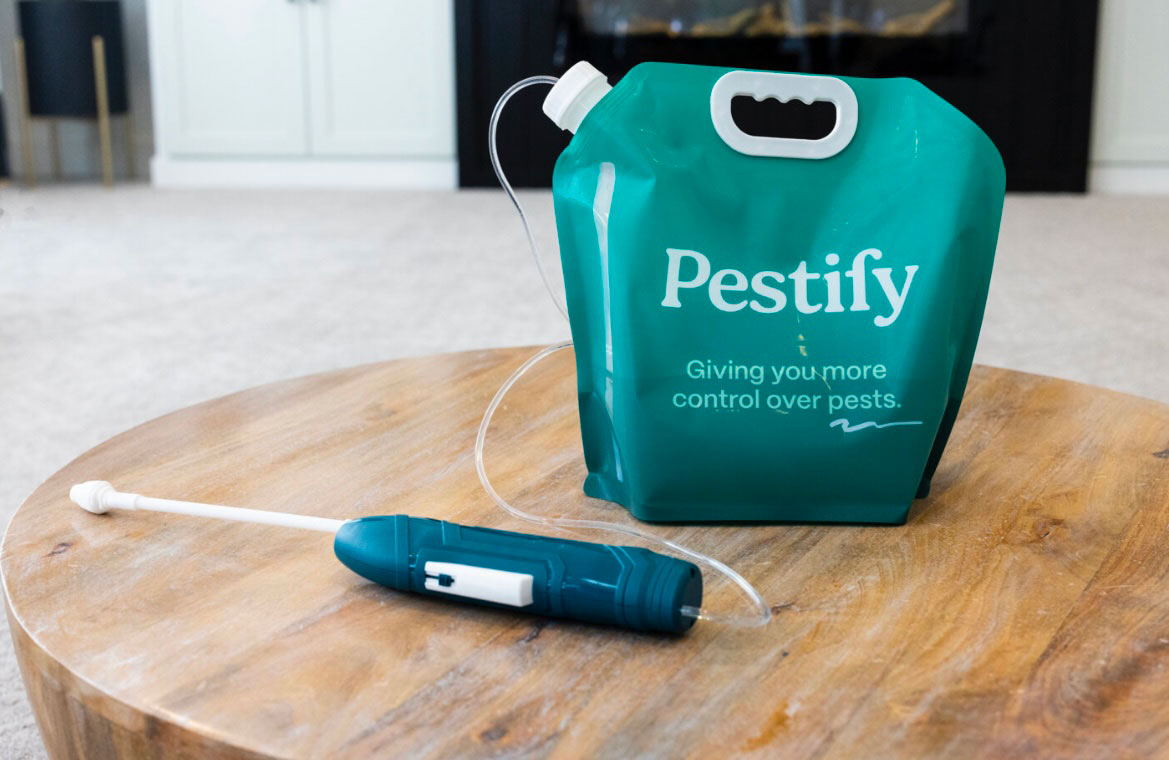
Pestify fits the DIY side for homeowners who want professional-grade products, clear instructions, and a plan they can use without booking a service visit. To understand the process before choosing a plan, see how Pestify works.
If you’re ready to move from comparison to action, build your custom Pestify plan and start treating your home with products that match the pests you are dealing with.
We're Not A One Trick Pony
Take the guesswork out of pest control, get started with Pestify today.