
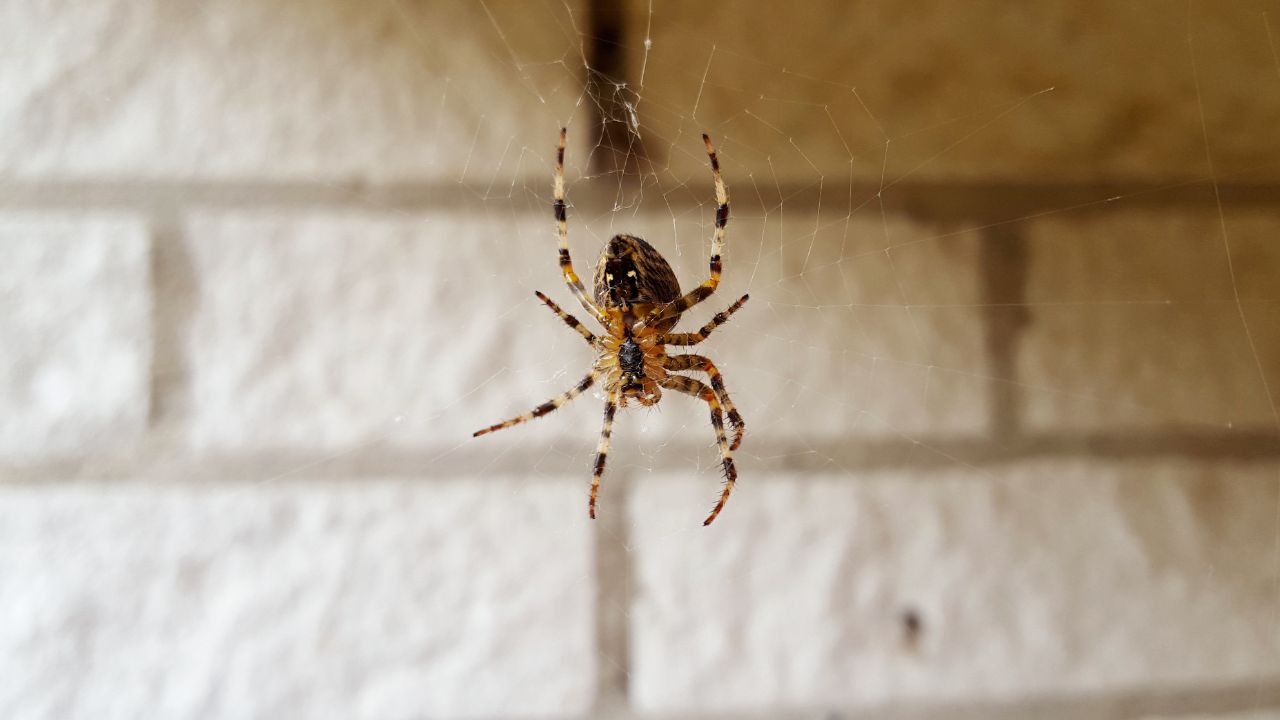
Eight legs, zero manners, and somehow they always show up uninvited. If you’re Googling how to prevent spiders from entering your home at 11 PM because you just met one in the shower, you’re in the right place.
Spoiler: they’re not moving in for the ambiance. They’re after food, moisture, shelter, or a date. In this guide, we’ll show you how to tackle these critters and turn your home into a much less appealing place for them to hang around in.
Why do spiders enter homes?
Spiders may wander inside accidentally or follow the insects they eat. Seasonal changes can also send them looking for a more comfortable place to hide.
Common reasons spiders may turn up around or inside your home include:
- Small insects are available as food
- Cracks and gaps provide easy entry
- Garages, attics, wall voids, and storage areas provide sheltered places to hide
- Damp spaces provide moisture
- Outdoor temperatures have become too hot, cold, or wet
- Exterior lights attract flying insects near doors and windows
What attracts spiders to your house?
Spiders are more likely to stay where they can find food and remain undisturbed. They often settle in corners, storage boxes, closets, crawl spaces, and areas behind furniture.
| Attraction | Why spiders like it | What you can do |
| Other insects | Insects provide a steady food source | Address the insects attracting spiders |
| Clutter | Boxes and stored items create hiding places | Clear clutter and use sealed containers |
| Moisture | Damp areas attract spiders and their food | Repair leaks and reduce indoor humidity |
| Bright outdoor lights | Lights draw insects toward your home | Use less attractive bulbs or reposition lighting |
| Quiet spaces | Undisturbed areas offer shelter | Clean and inspect these areas regularly |
Entry points to check and seal
Spiders can enter through surprisingly small openings. Walk around the inside and outside of your home and look closely for gaps.
The National Pesticide Information Center recommends sealing cracks around foundations, doors, and windows while making sure doors and windows fit tightly. Sounds like simple work (seems almost too easy, in fact), but it can stop plenty of eight-legged visitors from strolling in uninvited.
Pay particular attention to:
- Cracks in the foundation
- Gaps around windows and exterior doors
- Worn or missing door sweeps
- Damaged window and door screens
- Openings around pipes, cables, and utility lines
- Gaps near vents
- Spaces beneath garage doors
- Openings around siding, trim, and rooflines
Seal small cracks with a suitable caulk or sealant. Repair screens and replace weatherstripping that no longer fits tightly. Door sweeps should meet the floor without leaving gaps at either side.
Clean regularly and cut down on clutter
Learning how to prevent spiders in your house doesn’t require nonstop deep cleaning. Focus your attention on areas that are dark, quiet, or rarely disturbed.
Vacuum along baseboards, behind furniture, and beneath beds. Remove webs from ceiling corners, window frames, and storage rooms. Pay attention to closets, attics, garages, and spaces beneath sinks.
Replace open cardboard boxes with sealed plastic containers where practical. Keep clothing, towels, and bags off the floor, especially in storage areas. Shake out shoes or gloves that have been sitting untouched before putting them on.
How to prevent spiders in the basement
Basements are basically a spider’s dream setup: low light, moisture, clutter, and plenty of quiet corners nobody checks. If you want to know how to prevent spiders in your basement, start by making the space drier and easier to keep an eye on.
Reduce excess moisture
Repair leaking pipes and check for water entering through walls or windows. Use ventilation or a dehumidifier if the basement regularly feels damp. Lower moisture levels can also reduce the small insects that attract spiders.
Organize stored belongings
Move boxes away from walls so you can clean and inspect behind them. Use sealed containers and avoid leaving piles of paper, fabric, or unused belongings on the floor.
Check basement entry points
Seal cracks in the foundation and gaps around pipes, vents, or basement windows. Make sure window screens are intact and exterior basement doors close properly.
You should also clear basement clutter, lower humidity where possible, and seal cracks or crevices to reduce spider activity.
Outdoor conditions that increase spider activity
What’s happening right outside your home has a lot to do with what shows up inside. Dense vegetation, woodpiles, and outdoor lighting can all turn your yard into a spider hangout that’s one step from your front door.
To make the area around your home less attractive:
- Trim shrubs, vines, and tree branches that touch the building
- Keep grass and weeds near the foundation under control
- Move firewood, rocks, and stored materials away from exterior walls
- Remove webs from porches, eaves, and window frames
- Keep outdoor garbage containers closed
- Avoid leaving pet food outdoors overnight
- Direct exterior lights away from doors and windows when possible
Bright lights attract flying insects, which can encourage spiders to build webs nearby. Consider switching to yellow-toned outdoor bulbs or placing lights farther from entryways.
Spiders in gardens can help manage other pests, so the goal is not to clear every spider from your property. Focus on the areas closest to your home.
Why an exterior barrier treatment matters
Closing gaps, reducing clutter, and changing outdoor conditions are important parts of spider prevention, but they may not address every route spiders use.
A professional-grade exterior barrier treatment adds another layer of protection. Applied around the foundation and key entry areas, it helps stop crawling pests near the border of your home. Reducing other pest activity also leaves spiders with fewer reasons to hang around.
The best results come from combining an exterior treatment with practical prevention. Think of it as locking the front door after removing the welcome mat.
Keep spider prevention simple with Pestify
You don’t need a complicated manual or an expensive appointment to protect your home. Pestify brings more than 20 years of professional pest control experience to an easy DIY service, with professional-grade solutions delivered directly to your door from just $39.
Our step-by-step guide shows you where to treat your exterior foundation, windows, doors, and interior cracks or crevices. Instructions are clear enough for a total beginner, and if you get stuck, friendly expert support is one message away.
Choose a one-time treatment or build a custom pest control plan based on your property, with the flexibility to cancel anytime. You can also see how Pestify works or explore our pest guide for more straightforward advice.
We're Not A One Trick Pony
Take the guesswork out of pest control, get started with Pestify today.