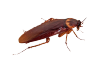

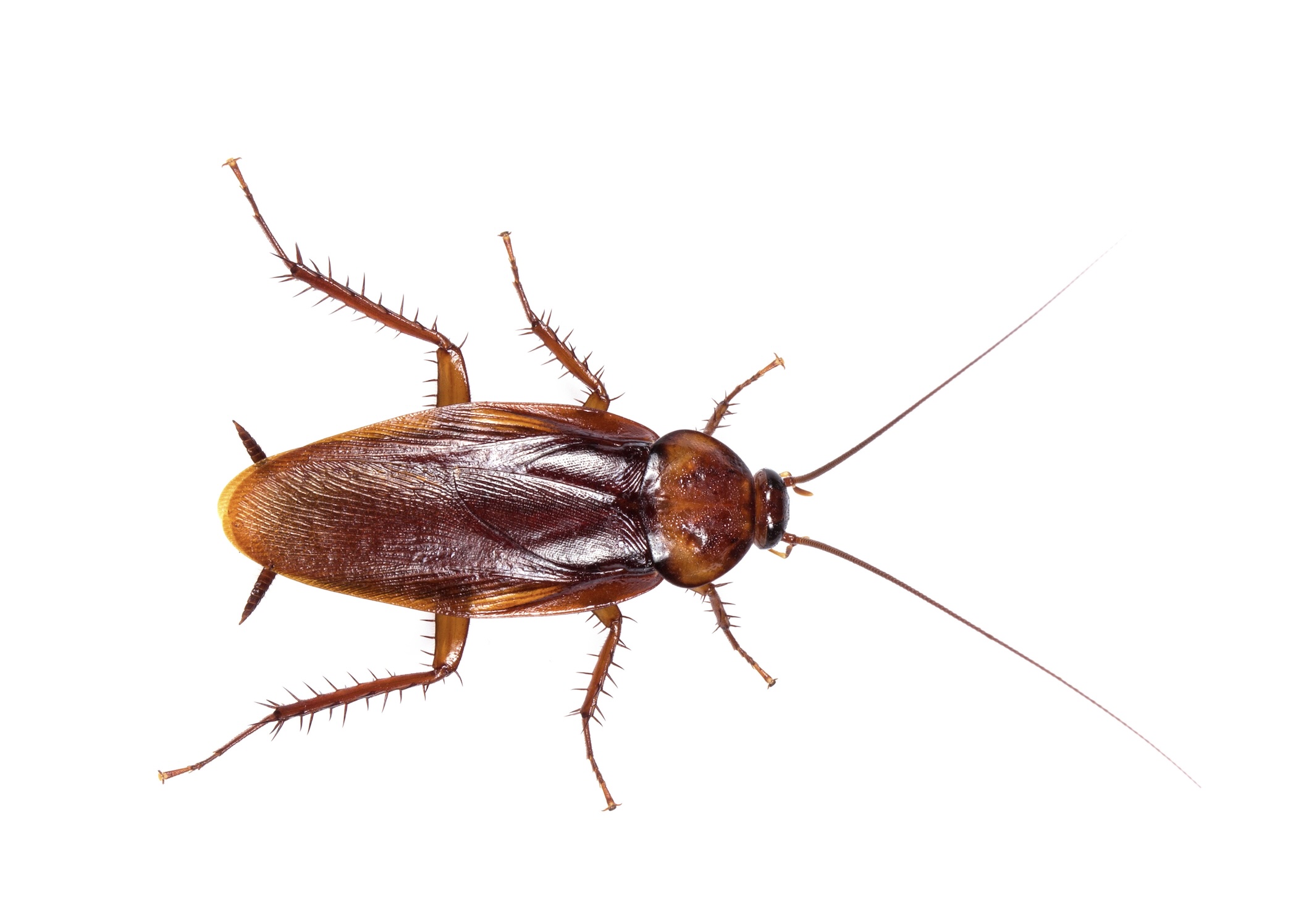
Roaches are more than a gross surprise at midnight. They can hide close to food, water, warmth, and shelter, which is why kitchens, bathrooms, basements, and trash areas often become problem spots.
The concern goes beyond the “ick” factor. The U.S. Environmental Protection Agency lists cockroaches among pests of significant public health importance, and the American College of Allergy, Asthma, and Immunology reports that 63% of homes in the United States contain cockroach allergens, climbing up to 78–98% in urban areas.
This guide explains where roaches live, why they choose those areas, and what to do when you spot the signs.
Where do roaches live indoors?
Roaches live indoors in dark, warm, moist areas close to food and water. In homes, they often hide during the day and become more active at night.
Common indoor roach hiding spots include:
- Behind refrigerators, ovens, and dishwashers
- Under sinks and around plumbing
- Inside kitchen cabinets and drawers
- Behind baseboards and wall gaps
- Around drains and garbage disposals
- In basements, laundry rooms, and utility rooms
- Behind bathroom cabinets and toilets
- Inside cardboard boxes and cluttered storage areas
- Near pet food, trash cans, and food storage areas
Where do roaches live outside?
Roaches usually live in damp, sheltered areas with access to decaying organic matter, food scraps, or moisture. Outdoor roaches may stay outside most of the time, but they can move indoors when conditions change.
Common outdoor roach hiding spots include:
- Mulch beds and leaf piles
- Wood piles and stacked lumber
- Trash cans and outdoor garbage areas
- Compost bins
- Drains, sewers, and utility openings
- Crawl spaces
- Around outdoor kitchens and grills
- Under pavers, stones, and yard debris
- Around sheds, garages, and storage areas
- Dense vegetation close to the home
Why do roaches choose these areas?
Proper roach control starts with understanding why roaches choose certain hiding spots. They look for areas that give them easy access to food, water, warmth, and protection from light.
That’s why roaches often settle behind appliances, under sinks, near drains, inside cabinets, and around cluttered storage areas. These spaces help them stay hidden while staying close to what they need to survive.
Cockroaches prefer warm indoor areas with food and water, and they are mostly nocturnal. That explains why many homeowners see them at night, then struggle to find them during the day.
Roaches also like areas where they can move without being noticed. Behind appliances, inside wall gaps, under sinks, and around drains are common because they offer cover and access.
Cardboard can also be a problem. It creates hiding spaces, holds moisture, and may sit undisturbed in pantries, garages, or storage rooms for weeks. If roaches had a real estate wishlist, cardboard boxes near food would probably be on it. Rude, but accurate.
Signs roaches may be nearby
Since many roaches are active at night, daytime sightings can sometimes suggest that activity has become more crowded or established.
Common signs of roach activity include:
- Droppings that look like black pepper, coffee grounds, or small dark pellets
- Smear marks along walls, floors, or cabinet edges
- Egg cases in cabinets, drawers, or hidden corners
- Shed skins near hiding spots
- A musty or oily odor
- Live roaches at night
- Dead roaches near walls, drains, or appliances
- Chewed food packaging
- Activity near pet food or trash areas
Tip on checking droppings: German cockroach droppings are much smaller than an American cockroach’s, closer in size to ground coffee or black pepper, while the latter’s droppings are larger and more cylindrical, often compared to mouse droppings.
Why spotting one can indicate a larger problem
Spotting one roach can point to a larger problem because roaches usually avoid light, movement, and open spaces. If one appears in the open, others may already be hiding nearby in kitchens, bathrooms, basements, utility areas, or wall gaps.
That said, one roach doesn’t always mean a major infestation. It may be an outdoor roach that wandered inside after rain, heat, or a nearby disturbance. The smarter move is to treat it as a warning sign, then check for droppings, egg cases, odors, shed skins, or repeat sightings.
Early action matters because roaches can reproduce quickly when food, moisture, and shelter remain available. They can also affect indoor health. According to the American Lung Association, cockroach saliva, droppings, and shed body parts can trigger asthma and allergy symptoms in some people.
What to do next
The next step is to remove what roaches need and check where they may be hiding. Treatment can help, but roaches are more likely to return if food, moisture, and access points stay the same.
Start with these steps:
- Clean crumbs, grease, and spills from counters, floors, and appliances
- Store pantry food in sealed containers
- Take out trash regularly, and keep trash cans closed
- Do not leave pet food out overnight
- Fix leaks under sinks, around toilets, and near appliances
- Dry wet areas around sinks, tubs, and laundry rooms
- Reduce clutter, especially cardboard boxes
- Check gaps around pipes, vents, doors, and baseboards
- Inspect behind refrigerators, ovens, dishwashers, and cabinets
- Keep outdoor trash, mulch, and debris away from entry points where possible
The goal is to make the home less useful to roaches. If they can’t easily find food, water, and shelter, treatment has a better chance of working.
How Pestify helps with roaches
Pestify helps homeowners move from roach sightings to a more organized treatment plan. Instead of guessing which product to use, homeowners can choose professional-grade DIY pest control products based on the pests around their home.
This can help when roach activity is mild to moderate, when you want to treat on your schedule, or when you want a plan before the problem gets worse.
If you want to know first how the treatment works, Pestify also gives guidance so you understand where products fit within the process, including preparation, placement, and follow-up.
Get rid of roaches with Pestify
Roaches look for one thing: easy access to food, water, warmth, and shelter. Indoors, that means kitchens, bathrooms, basements, cabinets, drains, and gaps behind appliances. Outdoors, it’s mulch beds, trash areas, drains, wood piles, and any damp, sheltered spot near your home.
Once you know where roaches live, the next step is simple: clear out the attractants, cut down on moisture, seal up entry points, and choose a treatment plan that matches the activity you’re seeing.
Ready to move from inspection to treatment? Get a custom plan built for your home with Pestify. Have questions about our products or which plan is right for you? Get in touch; our team is happy to help. And for more pest know-how, explore our pest guides.
We're Not A One Trick Pony
Take the guesswork out of pest control, get started with Pestify today.